- All
- Product Management
- News
- Introduction
- Corporate Outlets
- FAQ
- Corporate Video
- Corporate Brochure

What are the characteristics of the production process of oil flow meter manufacturers?
Published Time:
2025-03-25 19:08
Source:
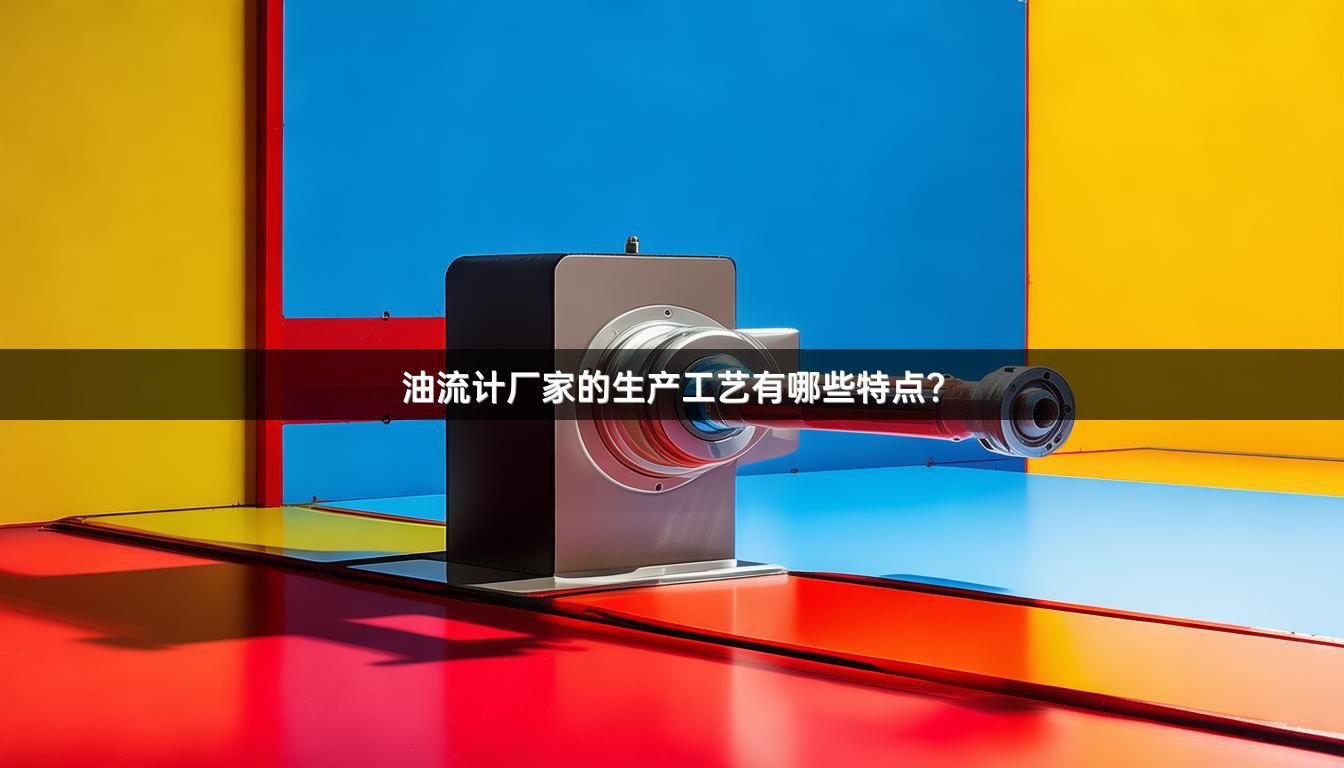
In modern industrial production, flow meters as important tools for monitoring fluid flow, their performance and quality directly affect production efficiency and the stability of equipment operation. However, many people have little understanding of flow meters the production process, especially flow meter manufacturers how to ensure the accuracy and durability of products during production. flow meter manufacturers What are the unique aspects in terms of process flow, technology application, and quality management? How do these process characteristics affect the performance and service life of flow meters? This article will delve into the production process of flow meter manufacturers, analyze their core characteristics, and help readers better understand the manufacturing process of this key equipment.
I. Application of Precision Machining Technology
In the production process of flow meters, precision machining technology is the key to ensuring product accuracy. Flow meter manufacturers usually use high-precision CNC machine tools and automated processing equipment to ensure that the size and shape of each component meet the design requirements. For example, when processing key components of flow sensors, manufacturers will use micron-level processing accuracy to ensure the sensitivity and stability of the sensor. In addition, through Computer-Aided Design (CAD) and Computer-Aided Manufacturing (CAM) technology, flow meter manufacturers can optimize product structure in the design phase and achieve efficient and precise processing during production.
II. Scientific and Rigorous Material Selection
The performance of flow meters is closely related to the selected materials. Flow meter manufacturers pay great attention to the scientific and rigorous nature of material selection, usually using high-performance materials that are corrosion-resistant, high-temperature-resistant, and wear-resistant. For example, the contact parts of flow sensors usually use stainless steel or special alloys to ensure their durability under complex working conditions. In addition, for some special application scenarios, such as the chemical or food industry, manufacturers will also choose materials that meet hygiene standards to meet industry regulations. Through scientific and reasonable material selection, flow meter manufacturers can significantly improve the service life and reliability of their products.
III. Strict Quality Control System
Flow meter manufacturers have established a strict quality control system during production to ensure that every product meets the standards. From the entry of raw materials to the delivery of finished products, each link has undergone multiple inspection procedures. For example, after assembly, the flow meter will undergo flow accuracy testing, pressure resistance testing, and sealing testing to ensure that it can operate stably under various working conditions. In addition, some advanced flow meter manufacturers will also introduce online detection systems to monitor key parameters in the production process in real time, promptly identify and correct problems, thereby greatly reducing the product defect rate.
IV. Application of Intelligent Production Lines
With the advancement of Industry 4.0, flow meter manufacturers are gradually introducing intelligent production lines to improve production efficiency and product consistency. Intelligent production lines integrate sensors, robots, and Internet of Things technology to achieve automated and data-driven management of the production process. For example, in the assembly process, robots can accurately complete the assembly of components and monitor assembly quality in real time through sensors. At the same time, intelligent production lines can also automatically record and analyze production data to provide a basis for process optimization. This intelligent production method not only improves production efficiency but also further enhances the quality stability of flow meters.
V. Environmentally Friendly Production Processes
With the increasing awareness of environmental protection, flow meter manufacturers are also actively exploring environmentally friendly production processes. For example, in the surface treatment process, manufacturers will use pollution-free electroplating technology or environmentally friendly coatings to reduce environmental harm. In addition, some manufacturers will also use recycling and energy saving and consumption reduction measures to reduce resource consumption and waste emissions during production. This environmentally conscious production method not only conforms to the concept of sustainable development but also enhances the company's social image and market competitiveness.
VI. Enhanced Customization Capabilities
Different industries have different needs for flow meters, so flow meter manufacturers need to have strong customization capabilities. Through flexible production processes and modular design, manufacturers can quickly respond to customers' personalized needs. For example, for high-viscosity fluids or high-temperature environments, manufacturers can adjust material selection and structural design to develop flow meters that meet specific requirements. This customization capability not only meets diversified market needs but also helps customers solve practical problems in applications.
VII. Continuous Technological Research and Development and Innovation
The flow meter industry is fiercely competitive, and technological research and development and innovation are the key to manufacturers maintaining their competitiveness. Flow meter manufacturers usually set up dedicated R&D teams focusing on the development and application of new technologies. For example, by introducing Microelectromechanical Systems (MEMS) technology, manufacturers can develop smaller and more sensitive flow sensors. In addition, some manufacturers will also cooperate with universities or research institutions to conduct cutting-edge technology research to promote technological progress in the industry. This continuous technological research and development and innovation not only improve the technical level of products but also open up new market areas for manufacturers.
VIII. Perfect Pre-sales and After-sales Service System
Flow meter manufacturers not only focus on optimizing production processes but also strive to provide customers with perfect pre-sales and after-sales services. In the pre-sales stage, manufacturers will provide professional technical consultation and product selection suggestions based on the specific needs of customers. In the after-sales stage, manufacturers provide installation guidance, use training, and troubleshooting services to ensure that customers can fully utilize the performance of flow meters. This customer-centric service concept not only improves customer satisfaction but also wins a good reputation and long-term cooperative relationships for manufacturers.
The production process of flow meter manufacturers involves many aspects, including precision machining technology, material selection, quality control, intelligent production, environmentally friendly processes, customization capabilities, technological research and development, and service systems. These process characteristics jointly determine the performance, quality, and service life of flow meters. By continuously optimizing production processes and improving technical levels, flow meter manufacturers can provide customers with better products and services, and also inject new vitality into the development of the industry.
Company Address:
602A, Block A, IFC Tower, No. 8A, Jianguomen Waidajie, Beijing 100022, China
Telephone:010-67189590
Fax:010-67181620
Email:eletta@eletta.cn
Quick Navigation:

Follow Us